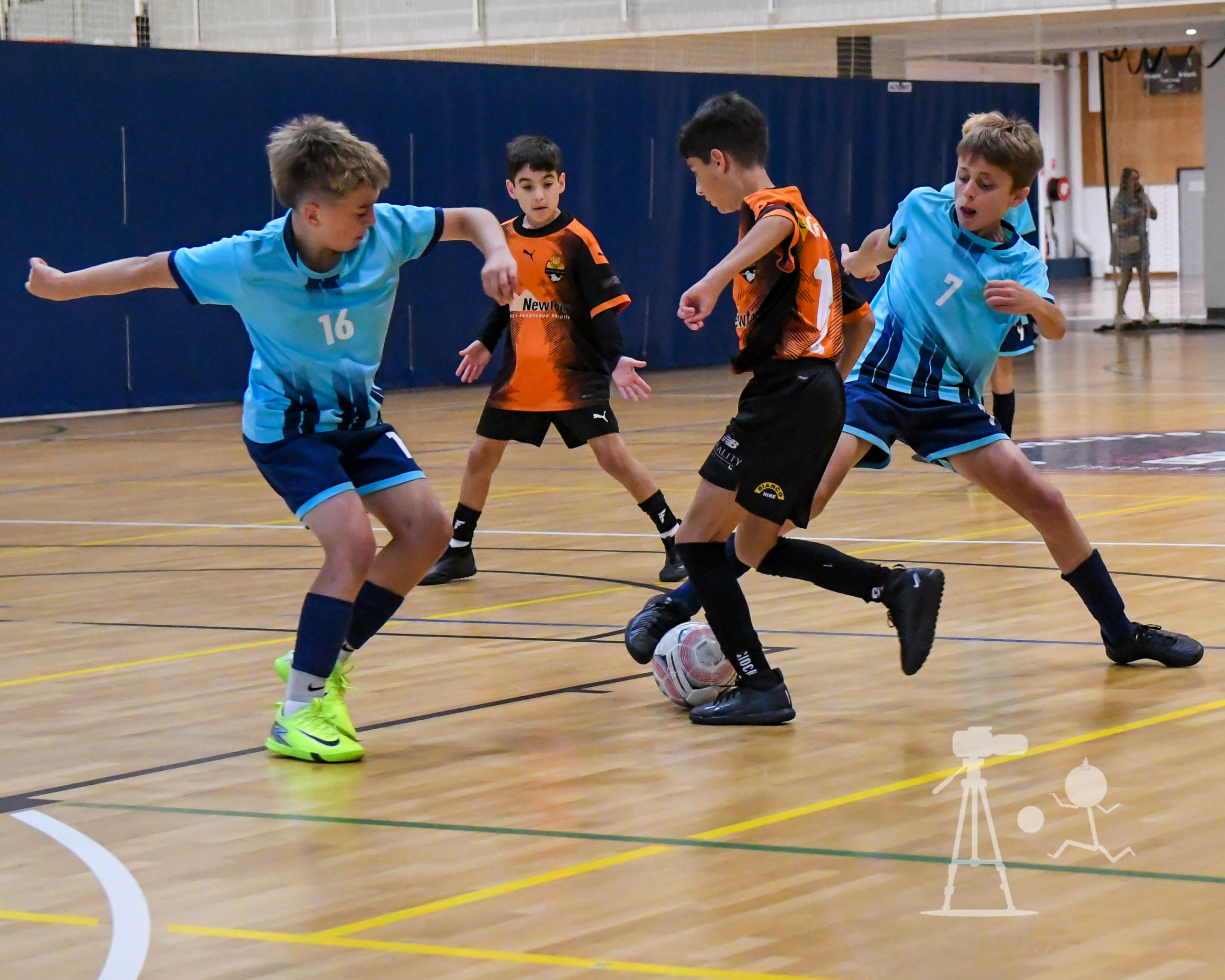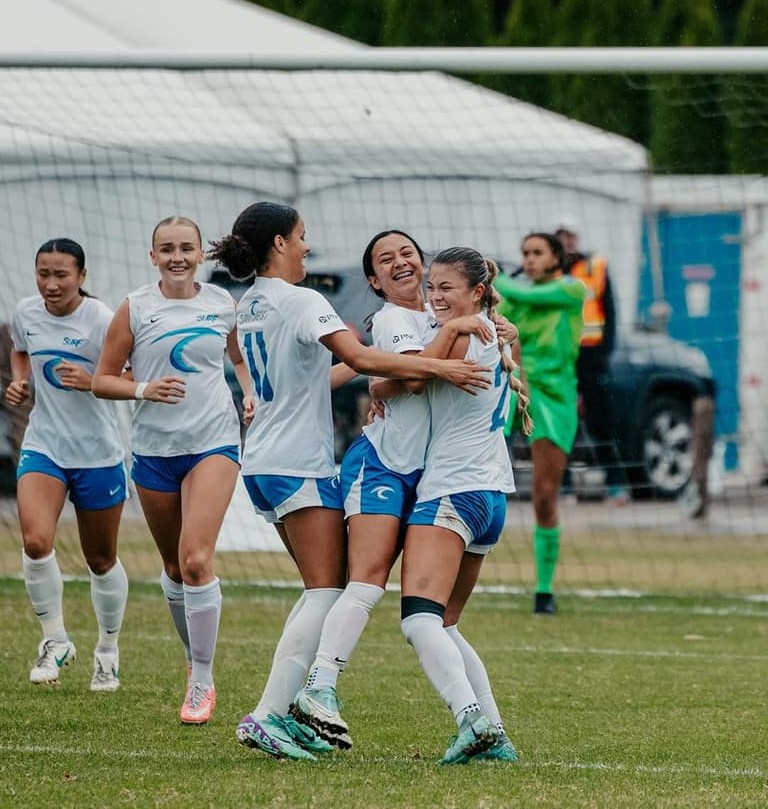
Finding a coach is easy. Finding the right coach is the part that takes a little thought. Here's a practical guide to evaluating coaches before you book a session.
1. Look at their coaching experience, not just playing experience
A player who competed at a high level doesn't automatically know how to coach youth athletes. The best coaches have both — experience as a player AND experience teaching. When reading a coach's profile, look for how many years they've been coaching (not just playing), and whether they work with youth or primarily adults.
2. Check their certifications
In soccer, look for USSF licenses (D, C, B, or A), UEFA badges, or United Soccer Coaches credentials. In other sports, look for national governing body certifications. Certifications show the coach has completed structured coaching education — not just that they played the game well.
3. Read the reviews carefully
Focus on reviews that mention specifics: what skills improved, how the coach communicated feedback, how the child's confidence changed. Generic "great coach!" reviews are less helpful than "my daughter went from inconsistent passing to confidently playing out of the back in 6 weeks."
4. Ask about session structure
Good coaches have a session plan. A typical well-structured 60-minute session includes a warm-up (10 min), technical work (25 min), small-sided game (20 min), and cool-down/debrief (5 min). If a coach can't articulate how they structure sessions, that's a yellow flag.
5. Start with a single session before committing to a plan
Many coaches offer individual sessions before multi-week plans. Take that trial. Watch how the coach interacts with your child — are they encouraging, specific in their feedback, patient when things don't click? Chemistry between coach and player matters as much as credentials.
6. Communication matters
Does the coach follow up after sessions? Do they share what they worked on? A coach who communicates with parents creates accountability and helps you understand your child's progress. This is especially important for younger athletes who can't always articulate what they learned.
The simplest test
After the first session, ask your child two questions: "Did you have fun?" and "Did you learn something?" Both should be yes. Skills develop over time — but a child who enjoys sessions will always get more out of them than one who dreads going.