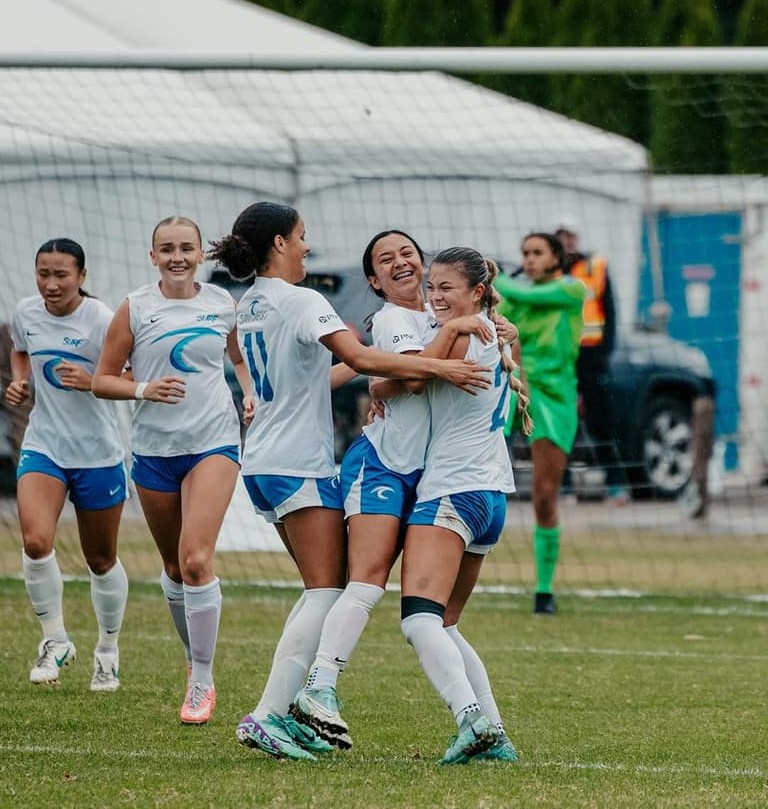
Everyone knows group training costs less. But the benefits go well beyond the price tag. Here are five developmental advantages that make small-group formats the preferred choice among elite youth coaches.
1. Decision-making under pressure
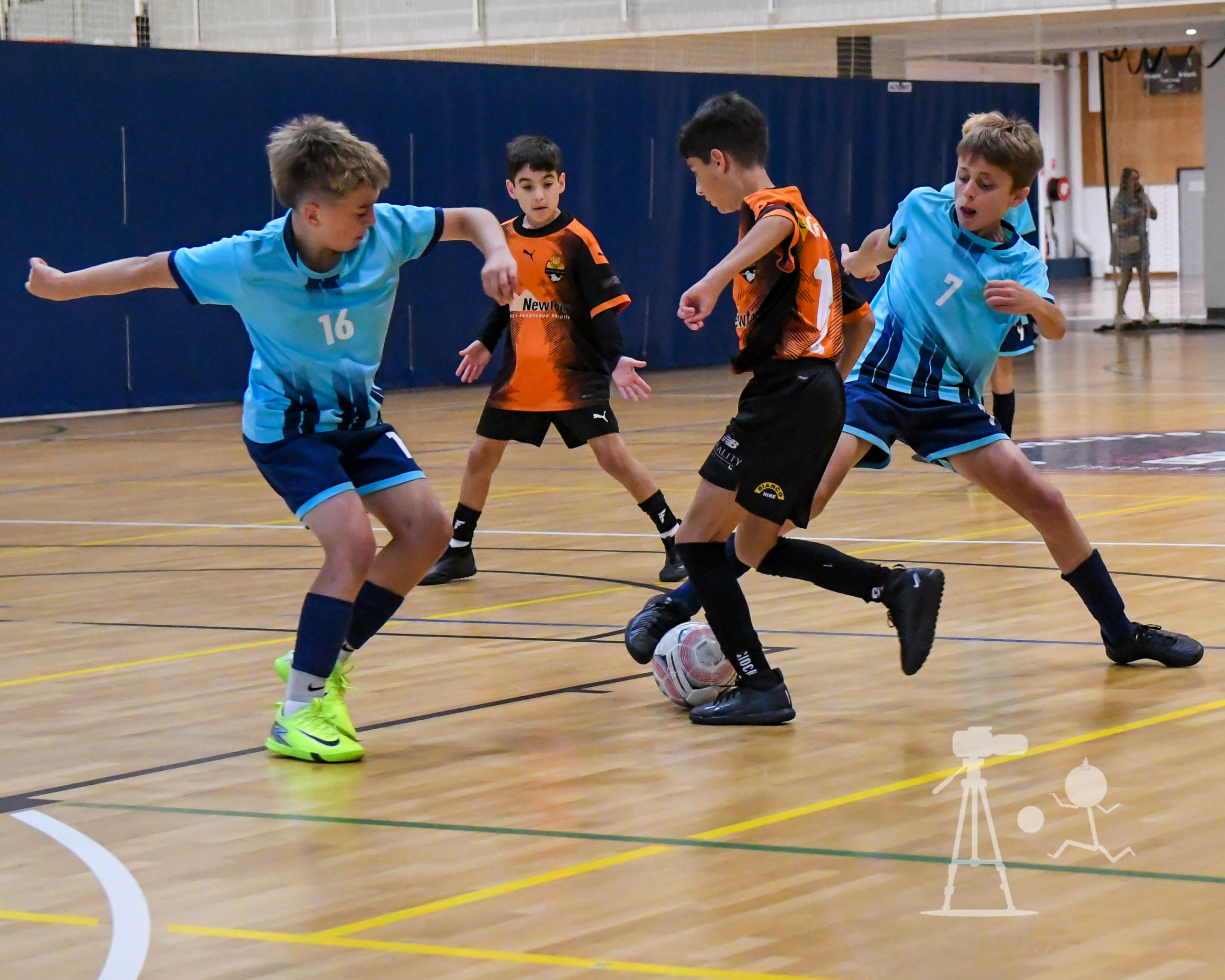
In any game, players constantly make decisions: when to pass, when to dribble, where to move off the ball. These decisions happen in the presence of other players. Training 1v0 develops skill; training 2v1, 3v2, or in small-sided games develops the ability to apply that skill in realistic conditions. The presence of other players — even in training — forces your brain to process information the way it does in games.
2. Peer learning is uniquely effective
Watching a coach demonstrate is good. Watching a peer your own age and level attempt and succeed at something is often more motivating and instructive. When one player in a group nails a drill, the others don't just see the outcome — they study how their peer got there. This peer observation speeds up learning in ways a solo coach can't replicate.
3. Accountability through the group
When you're the only person in a session, it's easy to take it easy on a rough day. When three of your peers are pushing through the same circuit, stepping back feels different. Groups create natural accountability that keeps intensity high, which increases the quality of reps — and quality of reps is what drives improvement.
4. Communication skills develop in parallel
Calling for the ball, directing teammates' runs, acknowledging errors and adjusting — these are all communication skills that happen organically in group training. A player who trains only privately often struggles to communicate effectively on the field. Group sessions build this muscle without anyone explicitly teaching it.
5. Coaches teach better in groups
This surprises parents. But many coaches actually deliver better sessions in groups of 3–5 than in 1v1 private settings. Groups allow coaches to demonstrate concepts, run exercises that require multiple players, and create the competitive scenarios that show whether players can really execute under pressure. A good coach thrives with a small, engaged group.
The takeaway
Small-group training isn't a cost-cutting compromise — it's often the developmentally superior choice. For most youth athletes at most stages of development, training in a group of 2–6 builds better players than the same hours spent in private sessions.